
Pool Installation
*Fibreglass Shell
If you are considering getting a pool for your home, we have put together a helpful guide to get you started, although a good builder will help you through the process step by step, it is always better to start thinking about things for yourself first. Don’t wait for a phone call whilst you’re at work asking where you want something to go before you have even had time to consider it. Do all the prep you can up front and you won’t be hit with unexpected questions out of the blue.

-
Consider that the larger the pool the more it will cost to maintain. More water, more chemicals, more heating, bigger equipment.
Consider the space around the pool, you will want room for furniture and entertaining around the pool.
You may also want landscaping and plants around the pool so allow for this in your plans.
-
The pool’s position on your block is often pretty obvious but if it isn’t you need to consider several things. First is it’s proximity to boundaries. Consider the position of sunlight in the afternoon for example one side of your garden may be much more heavily shaded. Consider how you will be walking in and out of the pool area from the house. Your builder will be able to confirm if the position you have chosen is possible.
-
Before you engage in a contract with a builder we would recommend doing some research into pool equipment, pumps, filters, chlorinators etc. This prep will help you when the builder offers you several options, you will already have an idea on what you want. You also need to consider where the pool equipment will be!
Consider it’s aesthetic position, most people choose somewhere down the side of a house or shed or garage. The distance from the pool especially the skimmer end is what your builder will need to know to calculate the pump head.
-
The access to the dig is important. The size of the access will determine what size machinery can be used in the dig. It will also be a factor for any crane usage, will main roads need to be closed to site a crane, what size crane will be required etc. Extra costs will usually be incurred if access is minimal.
-
Some builders handle the dig internally some outsource to subcontractors.
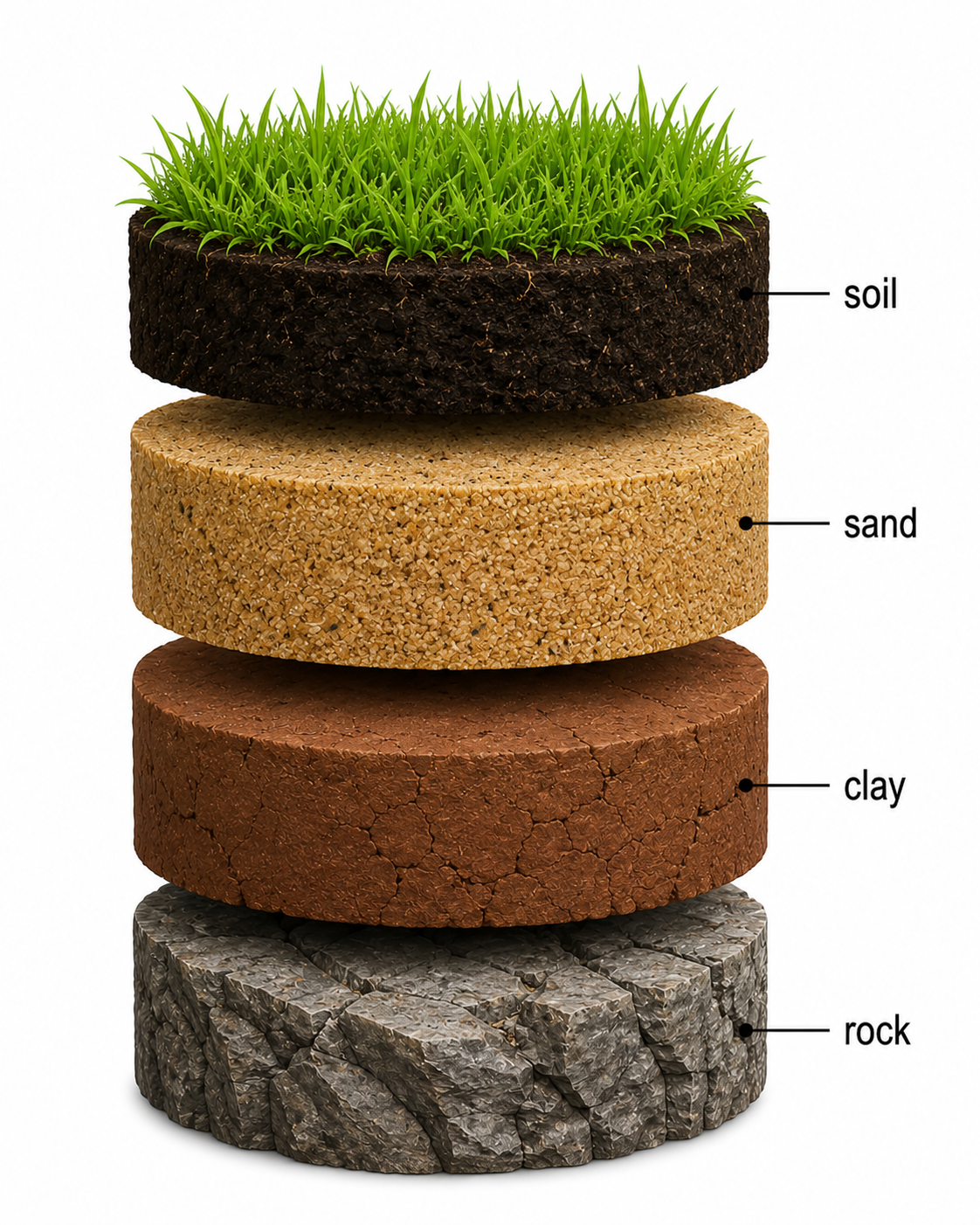
Most of the time in Perth, the ground is sand but occasionally you can run into rock or clay beds this will inevitably incur extra costs due to the difficulty, extra equipment and disposal.
If your block isn’t level there can sometimes be extra charges to bring in clean fill or to remove excess, this can sometimes be sorted by yourself privately, it may be worth speaking to your builder a few weeks before the dig is scheduled if you think the site is excessively low or high.
Ground water. If you hit water you will need to dewater, this is common on top of clay beds, potentially if you live near rivers or lakes. Dewatering is a considerable subcontracted process involving heavy duty pumping equipment to remove the water from the ground and get the site ready to dig. This will not be a cost on your contract as it is uncommon and usually unexpected.
-
Most people opt for lights that will face away from the house or parallel with the house not shining into the property.
-
Pool fencing needs to be compliant with council regulations, this may vary from state to state or council to council. It is important you acquire information to what is and isn’t compliant in terms of where you plan to put the fence.
Most people will engage a specialist Pool Fencing contractor to carry out the fencing installation. Think about where you want gates and if you want multiple. Think about how you will usually be accessing the pool, many pool owners wish they had put in an extra gate at the other side of the garden for example.
-
Paving around the pool can end up being your biggest expense outside of the actual pool. It is important to have this factored into your overall budget.
Concrete is becoming increasingly popular as it is low maintenance and due to rising stone costs is now in a similar budget range to paving. If you are having concrete poured you need to make sure the plumbing is perfect beforehand as you will not be able to rectify leaking pipes after the pour. It is good to have the pool running for a period of time before the pour just in case, so any issues can be fixed.
Post concrete cleaning can be done by The Deep End and you can book it here. Contact

Pool Advice Centre
-
Adding heating to your pool is often easier than you may think, but there are of course some important things to consider. We have created a guide to help you get started!
-
Not every Pool Technician understands Chemigem systems but we definitely do and have been repairing them for over a decade!
-
-
-
There are several reasons a pool turns green but the most common is a lack of sanitiser usually from a failed salt cell or failed liquid feeding. Check if your cell needs a clean or that your feed lines aren’t blocked.
If it’s nothing simple get in touch and we will see what’s going on
-
Pool Owners guide to pool installation
-
Usually a filtration issue but can also be a pump issue. We can deep clean existing filters or offer replacement elements
-
Some pools have an overflow plug to waste out excess. Some pools may have been plumbed in a way that allows for you to drain out excess rain water via a waste valve. Many pools however have no obvious way for you to lower the water level. We can do a site review for you and explore the options available at your property so you can manage this issue going forward.